Straight reach for open approaches
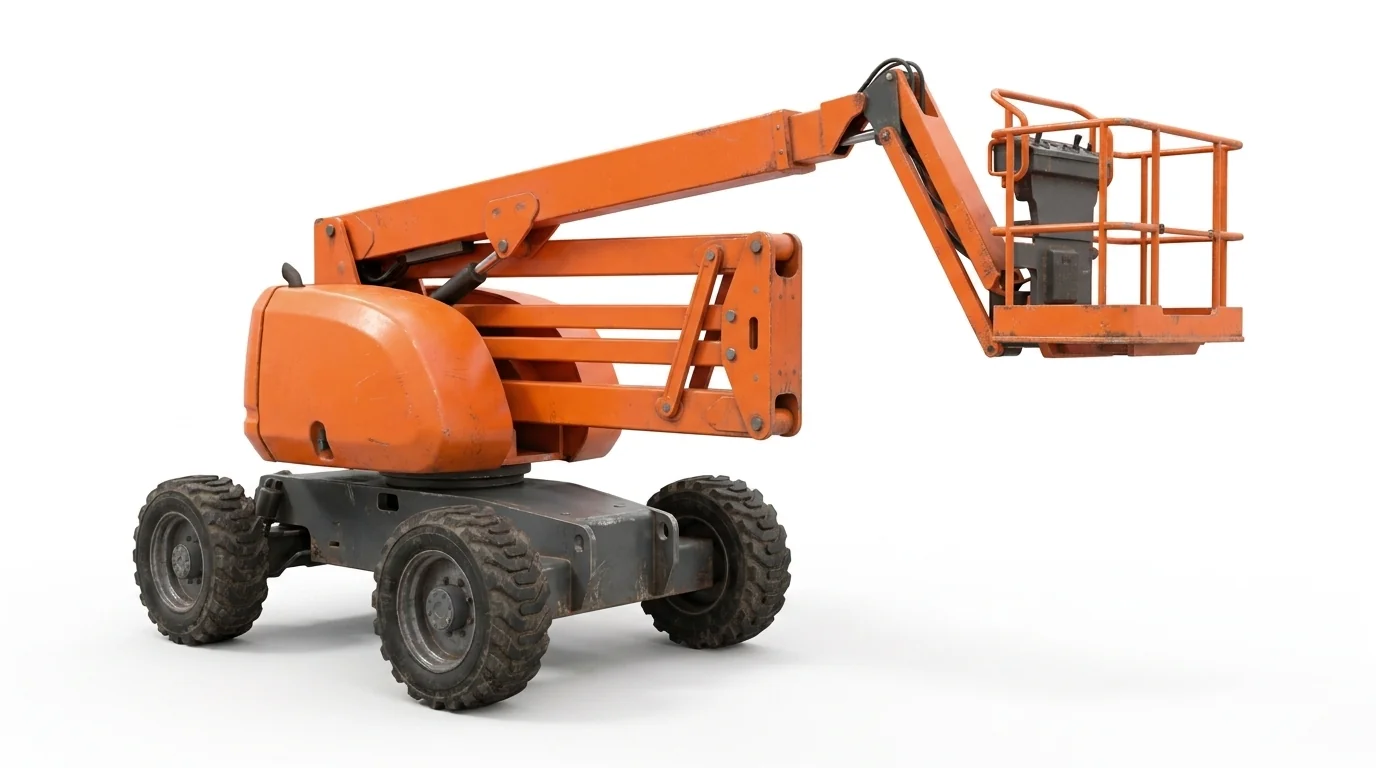
A telescoping boom extends in-line, delivering predictable horizontal reach and platform stability when the approach is open. This profile suits façade repairs, sign work, and high-bay maintenance with minimal overhead clutter.
Key decision points: - Setback requirement: Curbs, planters, or restricted lanes may force the machine to sit further from the target. Telescopic reach compensates for this distance. - Obstacle presence: If trusses, conveyors, or canopies interrupt the straight path, consider an /articulating-boom-lift-rental/ instead. - Platform height vs. outreach: Compare both specs against the working point, not just the structure’s overall height.
Wichita weather and terrain
The regional climate brings rapid temperature changes and frequent wind events that influence exterior aerial work. Any decision to proceed must align with the unit’s instructions, site rules, and that day’s conditions. On unpaved sections with clay that softens after precipitation, rough-terrain straight booms handle approach and setup better than slab versions.
Interior vs. exterior use
- Exterior envelopes: Long, unobstructed wall runs and roof-edge access reward the speed and stability of a straight boom.
- Large interior bays: If clear lines exist between columns and cranes, a smaller straight boom may cover lights, ducts, or overhead systems more efficiently than a scissor.
When another machine fits better
- Tight, obstructed routes: Choose /articulating-boom-lift-rental/ for up-and-over placement.
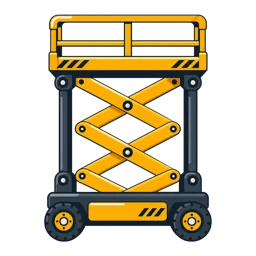
- Vertical-only tasks on smooth floors: Consider /electric-scissor-lift-rental/ for compact footprint and staging.
- Material placement to upper floors or roofs: See /telehandler-rental/.
Planning checklist
- Maximum setback from the work face
- Narrowest doorway or gate along the path
- Surface type and soft spots along unpaved runs
- Expected wind exposure around corners and open lots
For a broader overview, see /boom-lift-rental/ or /aerial-lift-rental/.