Interior geometry that drives the pick
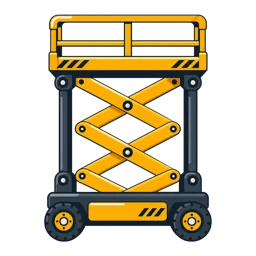
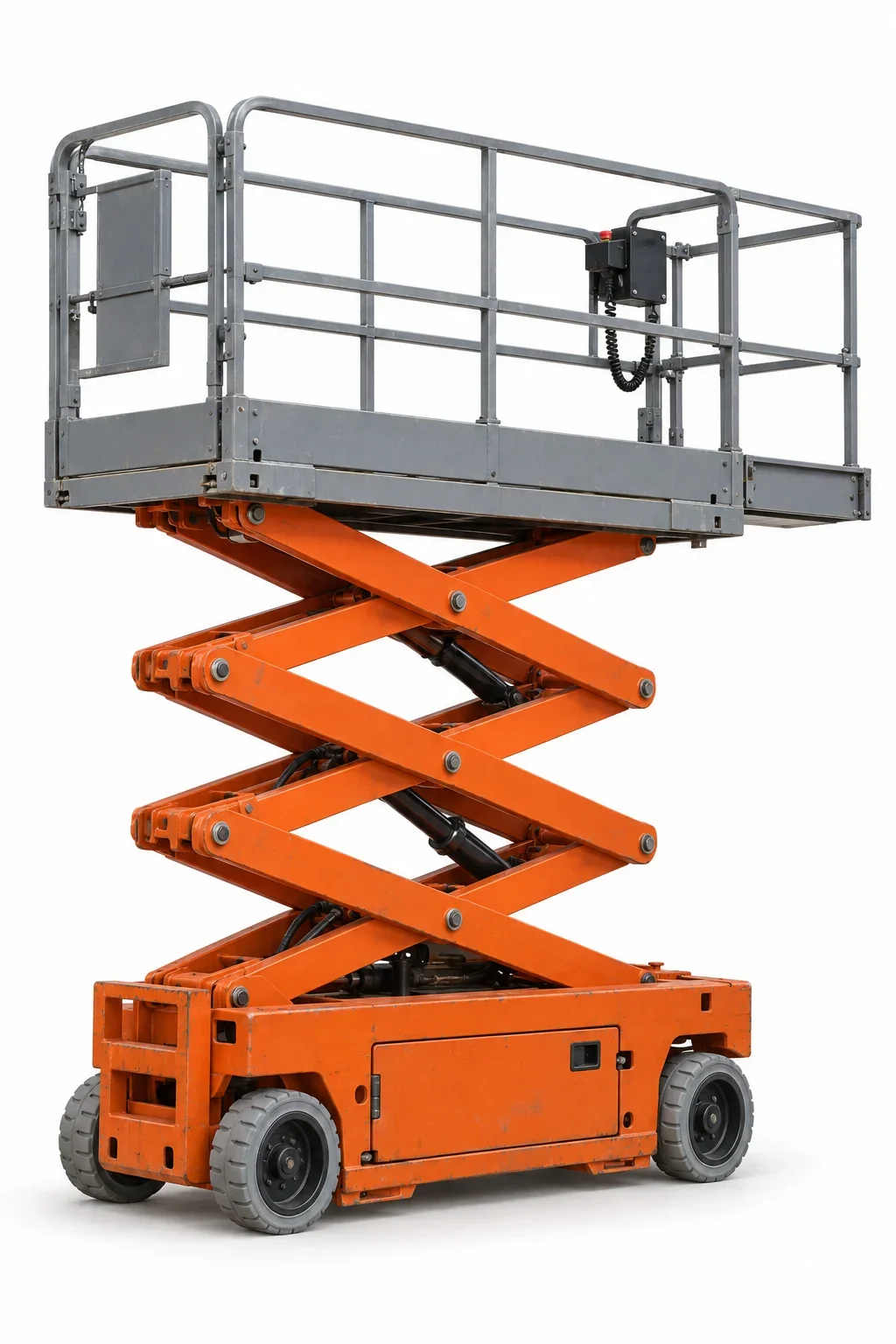
Start with platform height against ceiling fixtures, ducts, or cranes. Next, confirm the stowed height for doorways and mezzanines. Compact models help when freight elevators or interior corridors set a tight width limit. If the machine can sit below the task and there’s no need to reach out and over, an electric scissor lift is usually the simplest solution.
- Clear aisle width and turning radius in racking or machinery rows
- Floor load ratings where the lift will travel and work
- Fold-down guardrails for low door headers or overhead pipes
Wichita facility patterns to expect
Local distribution buildings and industrial sites emphasize long, clean runs on slab floors, often with non-marking requirements. Corporate campuses and research spaces value low noise and zero on-site emissions. Construction interiors during cold snaps or heat waves still favor electric units because they perform consistently inside conditioned spaces.
When an electric scissor isn’t enough
If the task is offset behind equipment, structural steel, or partitioned areas, a boom lift may be the better category. Compare options at /boom-lift-rental/ or see the broader mix at /aerial-lift-rental/. For outdoor or unfinished surfaces, review /rough-terrain-scissor-lift-rental/.
Measurements that prevent rework
- Maximum platform height needed versus actual ceiling access points
- Narrowest door or elevator on the travel path
- Weight limits on mezzanine decking or slab-on-grade joints
Call (316) 688-2657 to discuss interior constraints or visit /contact/.