Matching load, height, and outreach
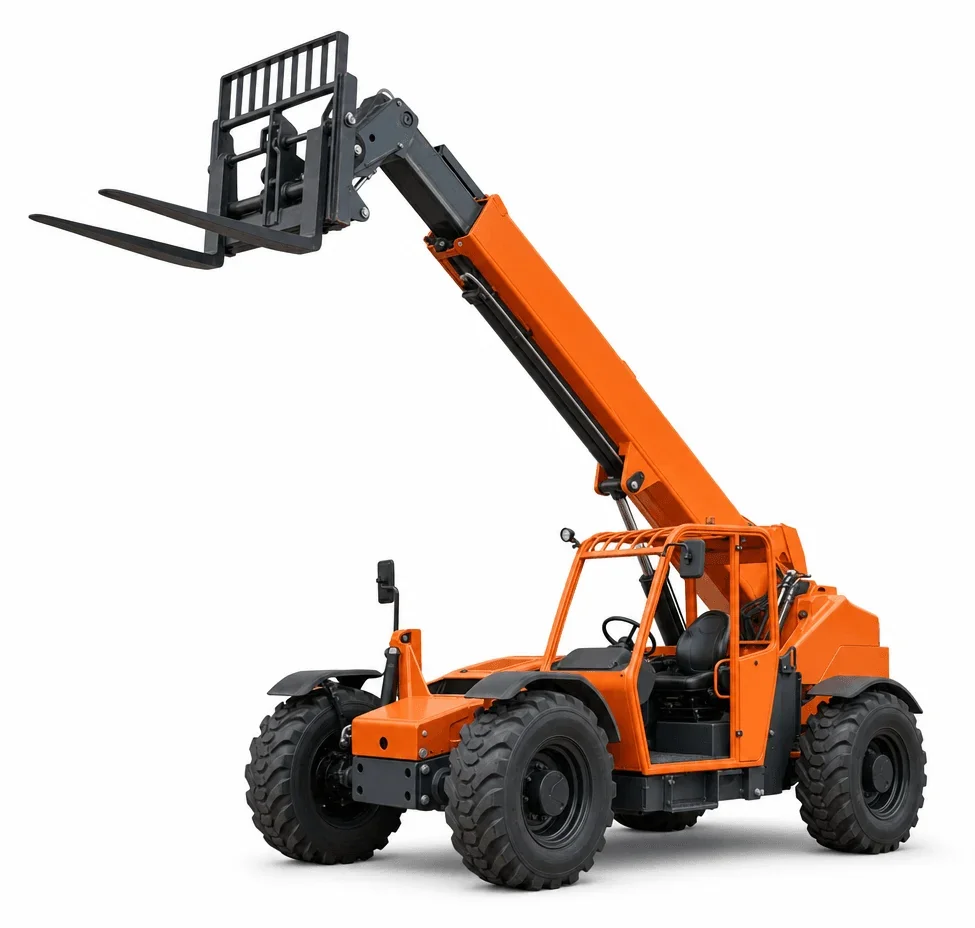
Telehandlers combine lift capacity with telescoping reach. The limiting factor is usually capacity at the placement distance, not the headline maximum. Identify the heaviest expected load and the farthest placement point, then compare against rated capacity at that reach.
Wichita site surfaces and access
Regional clay soils can soften after precipitation, affecting approach routes and staging near foundations. Rough-terrain drivetrains and tires are common on developing jobsites. Confirm gate widths, slab edges, and any ramps leading into structures. When the load must transfer inside, coordinate the handoff point to minimize floor loading.
Typical applications
- Palletized materials to upper floors or roof edges
- Mechanical units to curb lines or platforms within setback zones
- Bundled framing or panel packs staged across uneven grades
When a different machine is better
- People placement for installation or inspection: See /articulating-boom-lift-rental/ or /telescopic-boom-lift-rental/.
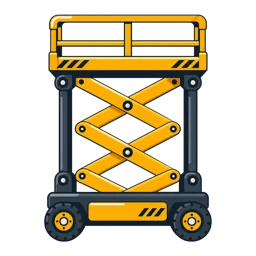
- Vertical access inside finished spaces: /electric-scissor-lift-rental/ or /vertical-mast-lift-rental/ may fit doorways and aisles better.
- Warehouse-only pallet movement on smooth floors: /forklift-rental/ is typically more efficient indoors.
Planning checklist
- Maximum load and center of gravity for each pick
- Required lift height and setback from the drop point
- Ground conditions along the travel path and at staging
- Clearance for forks or attachments at the placement location
For related site needs, see /storage-containers-rental/, /temporary-fencing-barricades-rental/, and /generators-light-towers-rental/.